

- Išsiųsime per 5–10 d.d.


/images/books/15550714/240a5f65dbdb34b157066641b954369f.png)
/images/books/15550714/20bffcb6ae4fea0bf6e746f47ce79155.jpg)
/images/books/15550714/eefefd7d309734fd1d364d2e4399acd8.jpg)
/images/books/15550714/a18cd2ac8dd242e1bc211302fff98e03.jpg)
/images/books/15550714/cf09ed67603d022b17bd911af67a6056.jpg)
/images/books/15550714/e75f244c8c880173fc8ded7e145305c0.jpg)
- Autorius: Till-Holger Borchert
- Leidėjas: Taschen
- Metai: 2020
- Puslapiai: 96
- ISBN-10: 3836545055
- ISBN-13: 9783836545051
- Formatas: 26 x 21 x 1.4 cm, kieti viršeliai
- Kalba: Anglų
- Extra -15 % nuolaida šiai knygai su kodu: ENG15
Atsiliepimai
Aprašymas
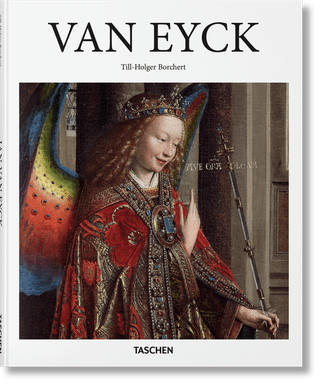
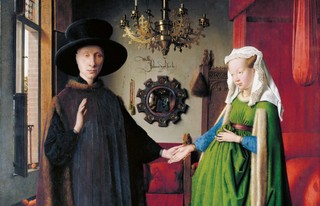
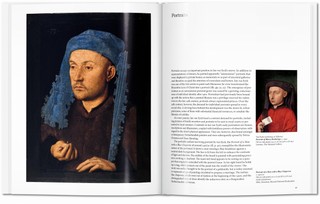
Often imitated but never equaled, Jan van Eyck (c. 1390-1441) left an indelible impression on Renaissance art and paved the way for future realist painters. With its unprecedented precision and masterful use of color, Arnolfini Double Portrait, depicting the wedding of a young couple, is testament to the mastery of the Flemish painter and leader of the Early Netherlandish school. Van Eyck painted both secular and religious subject matter, emphasizing a naturalism and realism that moved seamlessly between 15th-century everyday life and poetic, heavenly settings. Working with oil paint, he innovated the medium, allowing for great intensity and depth of color.
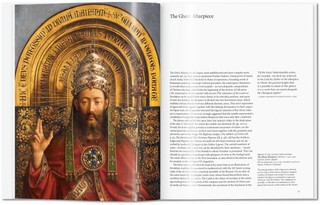
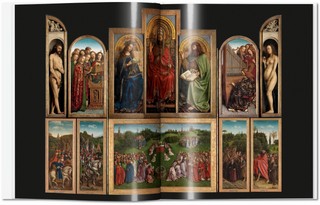
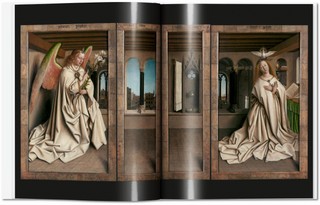
Trace the artist’s impressive oeuvre in this hardcover survey of his work, including altarpieces, religious figures, and commissioned portraits. Featuring enlarged details and close analyses of masterpieces like the Ghent Altarpiece, this publication also offers a chronology of van Eyck’s production, including the output of his workshop which continued even after his death.
EXTRA 15 % nuolaida su kodu: ENG15
 Akcija baigiasi už 5d.15:32:36
Nuolaidos kodas galioja perkant nuo 5 €. Nuolaidos nesumuojamos.


- Autorius: Till-Holger Borchert
- Leidėjas: Taschen
- Metai: 2020
- Puslapiai: 96
- ISBN-10: 3836545055
- ISBN-13: 9783836545051
- Formatas: 26 x 21 x 1.4 cm, kieti viršeliai
- Kalba: Anglų
Often imitated but never equaled, Jan van Eyck (c. 1390-1441) left an indelible impression on Renaissance art and paved the way for future realist painters. With its unprecedented precision and masterful use of color, Arnolfini Double Portrait, depicting the wedding of a young couple, is testament to the mastery of the Flemish painter and leader of the Early Netherlandish school. Van Eyck painted both secular and religious subject matter, emphasizing a naturalism and realism that moved seamlessly between 15th-century everyday life and poetic, heavenly settings. Working with oil paint, he innovated the medium, allowing for great intensity and depth of color.
Trace the artist’s impressive oeuvre in this hardcover survey of his work, including altarpieces, religious figures, and commissioned portraits. Featuring enlarged details and close analyses of masterpieces like the Ghent Altarpiece, this publication also offers a chronology of van Eyck’s production, including the output of his workshop which continued even after his death.


Atsiliepimai