 Knygos.lt nariams
 Knygos.lt nariams
- Išsiųsime per 7–14 d.d.

/images/books/15543847/1d6b9ec1768075d06c8c8e63a0b07d9b.png)
/images/books/15543847/0cac5d5c9ad31f93246c0b96e2e6f3c1.jpg)
/images/books/15543847/2e9d4bfa2dc6c14c845a4d917f323f40.jpg)
/images/books/15543847/f6c82656c45ceff725ad3bf63e2fedda.jpg)
/images/books/15543847/449e73209dfe09cbe2cd94195e3c8523.jpg)
/images/books/15543847/0aee649bfce38fea7068797d9691b732.jpg)
- Autorius: Emily Lakdawalla
- Leidėjas: Taschen
- Metai: 2024
- Puslapiai: 340
- ISBN-10: 3836586460
- ISBN-13: 9783836586467
- Formatas: 30 x 30 x 3.8 cm, kieti viršeliai
- Kalba: Anglų, Vokiečių, Prancūzų
Atsiliepimai
Aprašymas
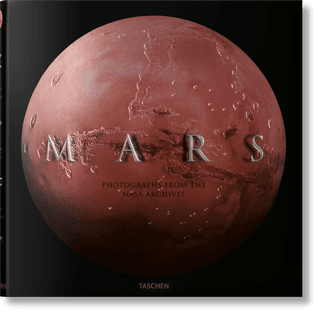
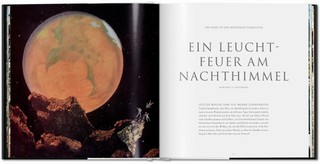
Early astronomers, drawn to Mars's fiery glow in the night sky, named the planet after their god of war. In the centuries since, Mars has captivated humankind as a source of endless speculation and a beacon of hope for its potential habitability. Through six decades of NASA’s pioneering research missions, the mysteries of the red planet have been gradually uncovered, revealing a world not so unlike our own that likely once supported life.
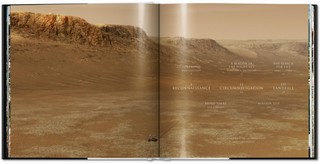
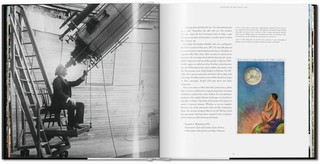
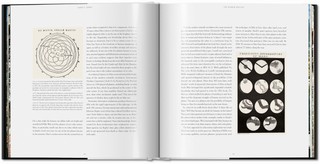
See the earliest close-up images of Mars taken by the Mariner 4 spacecraft in 1965—the first ever captured of another planet—along with historical illustrations from an era when curiosity outpaced scientific progress. Science and art collide as NASA’s later orbiter missions capture aerial views of ancient riverbeds, polar ice caps, dust storms, vast canyons, and towering volcanoes in an endlessly varied landscape. As they traverse Mars’s rugged surface, NASA’s rovers have operated as mechanical extensions of humankind for the past 25 years, drilling holes, searching for traces of water, and marveling at mountain ranges and panoramic sunsets.
Through hundreds of cutting-edge photographs from NASA's extensive archives, we join their scientists in the ongoing quest to better understand Mars. Essays by NASA’s former Chief Scientist James L. Green and JPL Chief Engineer Rob Manning provide an in-depth look at the history of Martian exploration and the challenges of preparing for these groundbreaking missions. Captions by planetary scientist Emily Lakdawalla skillfully illuminate each image's content and technical context, and a foreword by renowned poet Nikki Giovanni and an introduction by curator Margaret A. Weitekamp reflect on Mars’s significance in our cultural imagination.
From a distant enigma to a tangible frontier whose every grain of sand we can now observe, this volume celebrates the extraordinary progress NASA has made, bringing us closer than ever to understanding our neighboring world.


- Autorius: Emily Lakdawalla
- Leidėjas: Taschen
- Metai: 2024
- Puslapiai: 340
- ISBN-10: 3836586460
- ISBN-13: 9783836586467
- Formatas: 30 x 30 x 3.8 cm, kieti viršeliai
- Kalba: Anglų, Vokiečių, Prancūzų
Early astronomers, drawn to Mars's fiery glow in the night sky, named the planet after their god of war. In the centuries since, Mars has captivated humankind as a source of endless speculation and a beacon of hope for its potential habitability. Through six decades of NASA’s pioneering research missions, the mysteries of the red planet have been gradually uncovered, revealing a world not so unlike our own that likely once supported life.
See the earliest close-up images of Mars taken by the Mariner 4 spacecraft in 1965—the first ever captured of another planet—along with historical illustrations from an era when curiosity outpaced scientific progress. Science and art collide as NASA’s later orbiter missions capture aerial views of ancient riverbeds, polar ice caps, dust storms, vast canyons, and towering volcanoes in an endlessly varied landscape. As they traverse Mars’s rugged surface, NASA’s rovers have operated as mechanical extensions of humankind for the past 25 years, drilling holes, searching for traces of water, and marveling at mountain ranges and panoramic sunsets.
Through hundreds of cutting-edge photographs from NASA's extensive archives, we join their scientists in the ongoing quest to better understand Mars. Essays by NASA’s former Chief Scientist James L. Green and JPL Chief Engineer Rob Manning provide an in-depth look at the history of Martian exploration and the challenges of preparing for these groundbreaking missions. Captions by planetary scientist Emily Lakdawalla skillfully illuminate each image's content and technical context, and a foreword by renowned poet Nikki Giovanni and an introduction by curator Margaret A. Weitekamp reflect on Mars’s significance in our cultural imagination.
From a distant enigma to a tangible frontier whose every grain of sand we can now observe, this volume celebrates the extraordinary progress NASA has made, bringing us closer than ever to understanding our neighboring world.

Atsiliepimai