- Išparduota
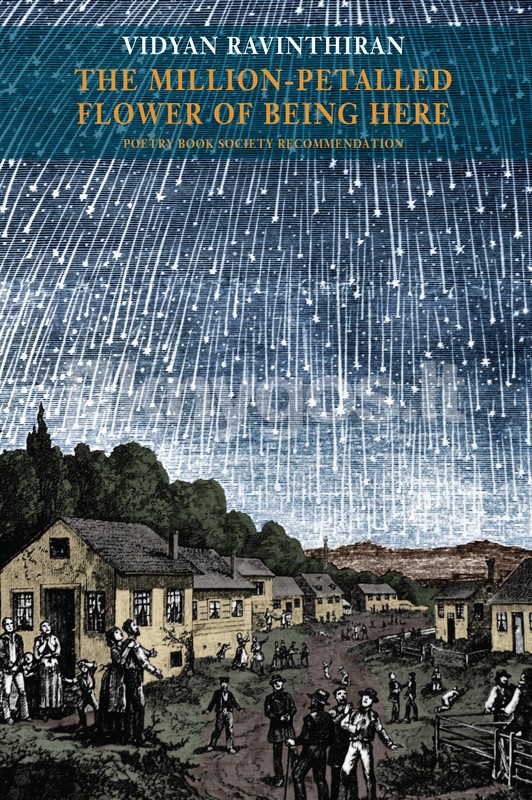
- Autorius: Vidyan Ravinthiran
- Leidėjas: Bloodaxe Books
- Metai: 2019
- Puslapiai: 59
- ISBN: 9781780374772
- ISBN-10: 1780374771
- ISBN-13: 9781780374772
- Formatas: ACSM ?
- Kalba: Anglų
The Million-petalled Flower of Being Here (el. knyga) (skaityta knyga) | knygos.lt
Atsiliepimai
Formatai:
Aprašymas
Poetry Book Society Recommendation
Shortlisted for the 2019 Forward Prize for Best Collection
Vidyan Ravinthiran’s second collection is a book of sonnets for his wife. These are love poems that turn analytical, consider the world, and in which the pronoun ‘we’ aspires to stand for a larger community, including (if you like) the readers themselves. Many describe life in northern England for a mixed-race couple, considering both the redemptive force of love and the cultural origins of our discontent.
Brexit; racist and sexist abuse; class; our work-life balance, and our relationship with institutions (be it our employer, or the NHS); taboos surrounding mental health; civil war in Sri Lanka; media representation of minorities; immigrant anxieties: these poems look inward, but also outward. Worrying at the link between society and our private lives, they scorn a politics which would put us in separate boxes. Love, and imagination, may not conquer all, but as recent shocks suggest, ‘we’ must at least try to understand people different from us.

Elektroninė knyga:
Atsiuntimas po užsakymo akimirksniu! Skirta skaitymui tik kompiuteryje, planšetėje ar kitame elektroniniame įrenginyje.
Kaip skaityti el. knygas ACSM formatu?
Mažiausia kaina per 30 dienų: 13,09 €
Mažiausia kaina užfiksuota: Kaina nesikeitė
- Autorius: Vidyan Ravinthiran
- Leidėjas: Bloodaxe Books
- Metai: 2019
- Puslapiai: 59
- ISBN: 9781780374772
- ISBN-10: 1780374771
- ISBN-13: 9781780374772
- Formatas: ACSM ?
- Kalba: Anglų
Poetry Book Society Recommendation
Shortlisted for the 2019 Forward Prize for Best Collection
Vidyan Ravinthiran’s second collection is a book of sonnets for his wife. These are love poems that turn analytical, consider the world, and in which the pronoun ‘we’ aspires to stand for a larger community, including (if you like) the readers themselves. Many describe life in northern England for a mixed-race couple, considering both the redemptive force of love and the cultural origins of our discontent.
Brexit; racist and sexist abuse; class; our work-life balance, and our relationship with institutions (be it our employer, or the NHS); taboos surrounding mental health; civil war in Sri Lanka; media representation of minorities; immigrant anxieties: these poems look inward, but also outward. Worrying at the link between society and our private lives, they scorn a politics which would put us in separate boxes. Love, and imagination, may not conquer all, but as recent shocks suggest, ‘we’ must at least try to understand people different from us.
Atsiliepimai